
When India Meteorological Department (IMD) issued its latest weather advisory yesterday, the message was stark: seven states in northern India are bracing for five days of relentless rain. The shift in wind patterns from Pakistan has triggered a volatile monsoon system, turning what should have been a cooling respite into a potential disaster zone.
The alert covers a vast stretch of the country, but the focus is intensely on the Himalayan foothills. In Himachal Pradesh and Uttarakhand, authorities have moved to high alert after recent cloudbursts and landslides claimed dozens of lives. For millions of residents, this isn't just about wet clothes; it's about survival.
A Deadly Season Already
Here’s the thing: this isn’t the first time this season has turned violent. Himachal Pradesh has already suffered catastrophic losses. Reports indicate that 419 people have died in rain-related incidents across the state so far in 2025. That number alone is staggering, representing hundreds of families shattered by landslides, flash floods, and road collapses.
The economic toll is equally grim. While exact figures are still being compiled, estimates suggest damages run into thousands of crores of rupees. Infrastructure—roads, bridges, power lines—has been battered repeatedly. Now, with an orange alert active in four key districts—Una, Hamirpur, Bilaspur, and Kangra—the fear is that history could repeat itself within hours.
The Next 48 Hours Are Critical
Turns out, the danger isn't evenly spread. The IMD has identified specific windows of extreme vulnerability. For Himachal Pradesh, the next 12 hours are described as "highly sensitive." Why? Because heavy rainfall combined with saturated soil increases the risk of massive landslides exponentially.
In neighboring Uttarakhand, the situation is equally tense. A recent cloudburst in the capital, Dehradun, served as a wake-up call. State administration has been placed on alert mode for the next 48 hours. Officials are urging citizens to avoid non-essential travel, especially in landslide-prone zones. It’s a plea born of necessity, not bureaucracy.
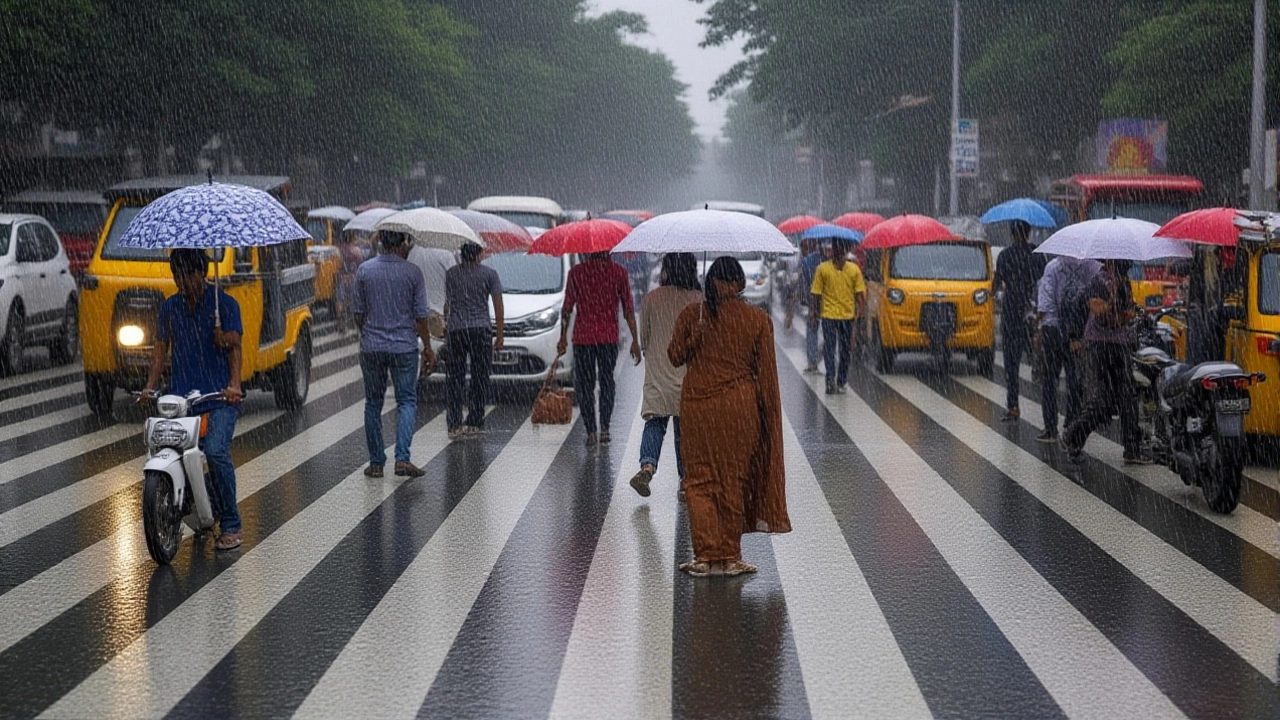
Wider Impact Across Northern India
But wait, the trouble doesn't stop at the mountains. The yellow alert extends to eastern Uttar Pradesh, Bihar, sub-Himalayan West Bengal, and Sikkim. These regions face threats of waterlogging and moderate to heavy rainfall. Meanwhile, in central India, farmers in Madhya Pradesh are facing a different kind of stress: unseasonal rains that can damage crops just before harvest or disrupt planting schedules.
The ripple effects are already visible. Transport networks are strained, tourism in the hills has ground to a halt, and emergency services are stretched thin. In Maharashtra, which also reported severe disruptions, the pattern mirrors the north: infrastructure buckling under the weight of unexpected intensity.
What Experts Are Saying
Meteorologists point to a change in wind direction from Pakistan as a key driver. This shift has altered the moisture content and stability of the air mass moving over northern India. It’s a complex atmospheric dance, but the result is simple: more rain, harder hits, and less predictability.
"The landscape is fragile," notes one disaster management expert. "Once the soil is saturated, even moderate rain can trigger slides. We’ve seen this before, but the frequency this year is concerning." The lack of detailed data on specific district-level impacts in some reports adds to the uncertainty, making local vigilance crucial.

What’s Next?
For the coming week, the focus remains on monitoring and mitigation. The IMD will continue to update forecasts every few hours. Residents in alert zones are advised to stay indoors if possible, keep emergency kits ready, and heed local warnings. For governments, the challenge is logistical: ensuring rescue teams are positioned where they’re needed most, not just where they’re stationed.
The broader lesson? Climate volatility is no longer a future threat; it’s here. As the monsoon continues its unpredictable path, the resilience of communities and the speed of response will determine the scale of tragedy—or relief.
Frequently Asked Questions
Which states are under Yellow Alert?
Seven states in northern India are under a Yellow Alert, including Uttarakhand, Himachal Pradesh, eastern Uttar Pradesh, Bihar, sub-Himalayan West Bengal, and Sikkim. Additionally, parts of Madhya Pradesh, Rajasthan, Odisha, Chhattisgarh, Goa, Karnataka, Telangana, Andhra Pradesh, and Tamil Nadu are also advised to remain cautious due to varying levels of rainfall activity.
How many deaths have occurred in Himachal Pradesh this monsoon?
As of the latest reports, 419 people have lost their lives in rain-related incidents in Himachal Pradesh during the 2025 monsoon season. These fatalities are primarily due to landslides, cloudbursts, and flooding, highlighting the severe impact of the weather on the region.
Why is the weather changing suddenly?
The sudden shift in weather patterns is attributed to changes in wind directions originating from Pakistan. This meteorological change has increased moisture levels and instability in the atmosphere over northern India, leading to heavier and more erratic rainfall than typically expected.
What should residents do during an Orange Alert?
An Orange Alert indicates a high probability of severe weather. Residents in affected areas like Una, Hamirpur, Bilaspur, and Kangra should avoid non-essential travel, stay away from landslide-prone zones, keep emergency supplies ready, and closely follow instructions from local disaster management authorities.
Is Dehradun safe right now?
Dehradun recently experienced a cloudburst, raising concerns about safety. The Uttarakhand administration has placed the state on alert for the next 48 hours. While the city itself may not be in immediate danger of large-scale landslides, residents are advised to exercise caution, monitor official updates, and avoid unnecessary outdoor activities.